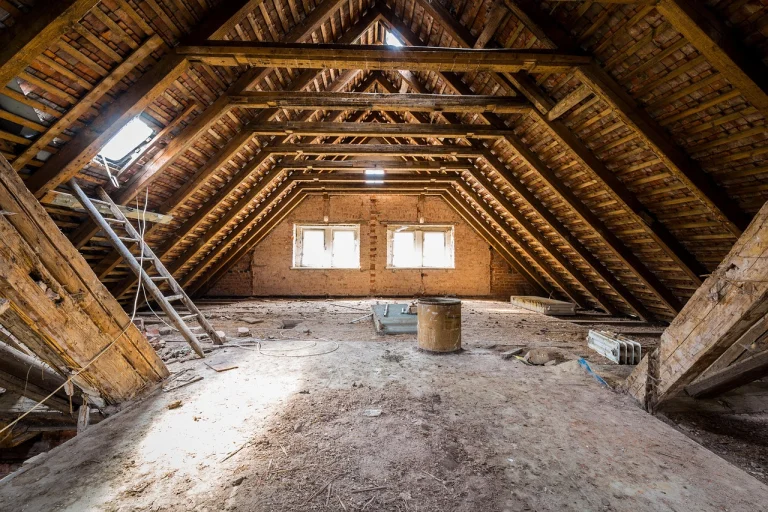
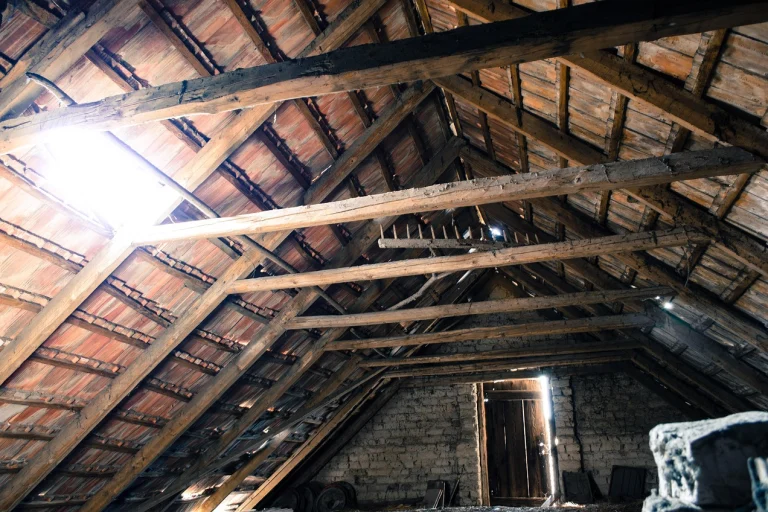
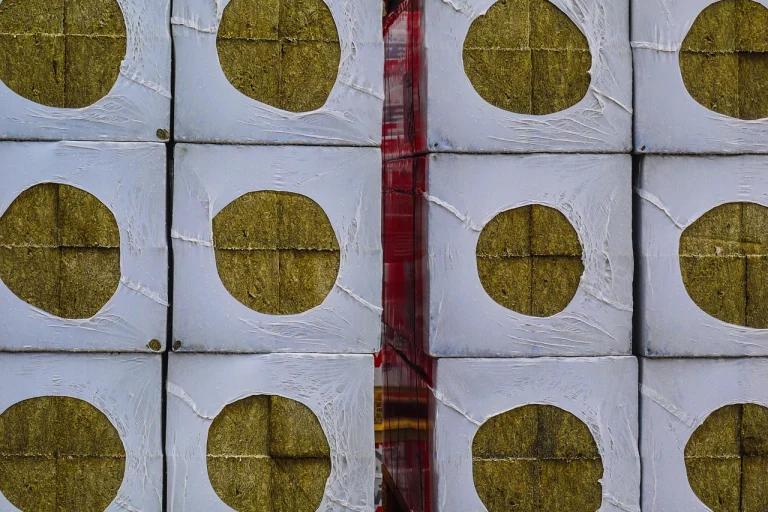
The Insulation Book is an independent, plain-English US guide to insulating and air sealing the house you already live in: the attic first, then rim joists, crawl spaces, basement walls, floors and existing walls. It explains how much insulation is enough for your climate zone, which material goes where, what to seal before you insulate, how to keep an attic dry and vented, and what to do when you find old insulation you shouldn’t touch. We cover the attic, air sealing and audits, walls, crawl spaces and basements, materials and R-values, moisture and venting, and old insulation and safety.
General information, not professional advice. Building codes are adopted locally, with changes, and your building department decides what applies to your house. Where one of our pages marks a stop, stop and call a qualified professional.
What we do
Insulation advice on the web contradicts itself, mostly because the sources moved and the pages citing them did not. ENERGY STAR’s do-it-yourself guide, written in 2016, says the recommended level for most attics is R-38 (EPA 430-F-04-024). ENERGY STAR’s own retrofit table now gives R49 for an uninsulated attic in climate zones 2 and 3 and R60 in zones 4 to 8. The 2024 International Energy Conservation Code, a model code for new homes, sets a ceiling minimum of R-38 in zones 2 and 3 and R-49 in zones 4 to 8 (Table R402.1.3). All three were read on 10 November 2026. On the same day the Department of Energy’s consumer pages on insulation answered “page not found”, so many pages that cite them now point at dead links.
So every R-value target, thickness, bag count, clearance, vent ratio, percentage and date on this site carries its source and the day we read it. Targets come from ENERGY STAR’s retrofit table, with the model code’s minimum shown beside it and labelled. Bag counts come from the maker’s own coverage chart, which the Federal Trade Commission’s R-value Rule requires on every package of loose-fill insulation (16 CFR 460.12). Safety lines come from EPA, the Consumer Product Safety Commission and ENERGY STAR in their own words. Code sections are cited as model codes, with the edition we read. Where we could not read a source, the page says “not read”. Where a page has a sum to work out, such as bags, depth or vent area, the calculator shows the arithmetic on numbers you enter. Our how we check page explains where each kind of figure comes from and lists the documents we use. Pages are published under The Insulation Book name.
What we are not
The Insulation Book is not a contractor, an insulation installer, an energy auditor, a home inspector, an electrician, an engineer, an asbestos professional, a building department or a government agency, and it is not part of ENERGY STAR, EPA or the Department of Energy. We give general information, not professional advice. We have not seen your house and we never inspect one. We don’t look at photos, quotes, contracts or audit reports. We never say that your house is “up to code” or “safe”, what a job should cost, whether the material in your attic contains asbestos, or which product, installer or contractor to choose. Pages explain what the sources say, give the do-it-yourself steps a source gives to homeowners, and say where that source tells you to stop and who decides: your building department on codes, a licensed electrician on wiring, a trained and accredited asbestos professional on vermiculite and suspected asbestos, and a heating technician on appliance venting.
How we are funded
The Insulation Book is free to read and is funded by display advertising. Ads may not appear yet while the site is new. Once they run, some may come from insulation makers, installers, retailers, energy companies or other firms that sell to homeowners. An ad is not an endorsement, a referral or a recommendation, and advertisers have no say over what we publish. Nobody pays us anything to read a page or use a calculator.
How we stay independent
- No affiliate links. We earn nothing if you buy, sign or hire anything after reading a page.
- No paid placements. Nobody can pay for coverage, a mention or a better position.
- No sold leads. We collect no details about your house or your job to pass on to contractors, installers or anyone else.
- No referrals. We don’t name, recommend or refer anyone to a contractor, an installer, an energy auditor, an electrician or an asbestos or insulation removal firm.
- No product rankings. We publish no “best” lists. A maker or product is named only as the source of a figure, such as a coverage chart or a data sheet, never as a pick.
- No job prices. We don’t price a job, and our tools use only the prices you enter.
That is why our pages can say things a seller might not: that the federal tax credit for insulation does not apply to work placed in service after 31 December 2025, that EPA’s modeled average saving from air sealing and insulating is 15% of heating and cooling costs and not half the bill, or that an R-38 attic target you saw elsewhere is out of date.
How pages are checked
Every page gets a fact-check against its sources, separate from the writing. Each page ends with the date its sources were checked. Our editorial policy sets out each step.
Where to start
If you are in the attic with a tape measure, how much insulation do I need compares what you have with ENERGY STAR’s target for your climate zone, and the blown-in insulation calculator turns a target into bags and depth from the maker’s chart. Attic insulation sets out what to check, what to add and in what order, and air sealing the attic covers the step that comes before the insulation. If the attic holds loose insulation that looks like what ENERGY STAR calls “a lightweight, pea-size, flaky gray mineral”, read vermiculite insulation first and don’t disturb it.
Mistakes and questions
Our corrections page logs what we have fixed, and our contact page says how to reach us. Please read our disclaimer too.