How much insulation does your house need?
Pick your climate zone to see ENERGY STAR's attic target and the code minimum for new homes, each with the table it comes from. Then what to seal first, which material goes where and what to leave alone. We sell nothing.
Your climate zone
- Zone 1R30code R30
- Zone 2R49code R38
- Zone 3R49code R38
- Zone 4R60code R49
- Zone 5R60code R49
- Zone 6R60code R49
- Zone 7R60code R49
- Zone 8R60code R49
Large figure: ENERGY STAR's target for an attic with no insulation. Code: the 2024 IECC minimum for new homes. Your building department decides what applies.
See what to addBrowse by topic
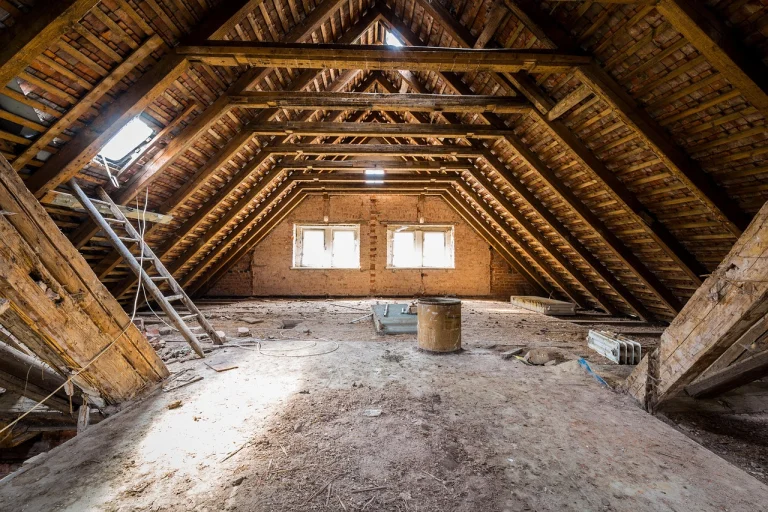 AtticHow much you have, what to add for your zone,…
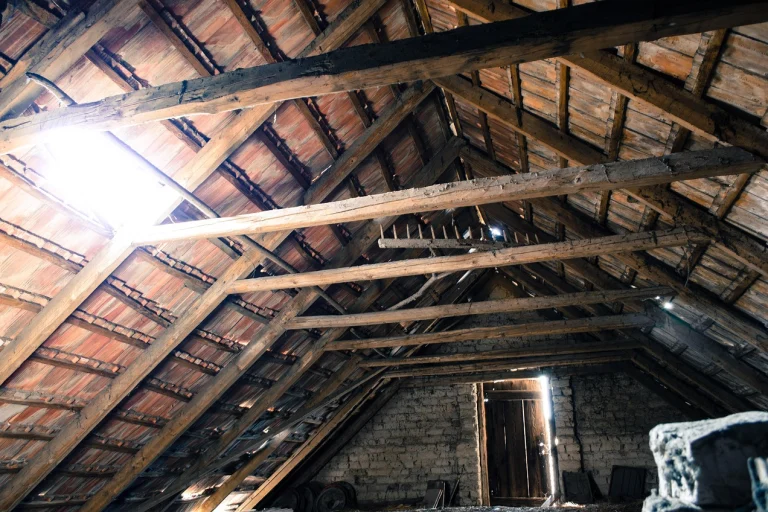 Air Sealing and AuditsSealing the attic before you insulate, recessed lights, the hatch…
 Walls, Crawl Spaces and BasementsCrawl spaces, rim joists, basement walls, existing walls, floors and…
 Materials and R-ValuesR-values and thickness, cellulose, fiberglass, mineral wool, spray foam and…
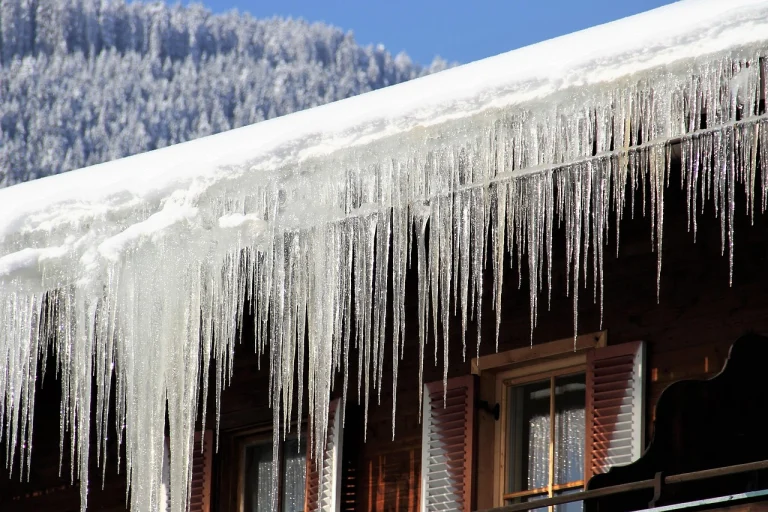 Moisture and VentingBaffles, attic vents, soffits, ice dams, attic mold and vapor…
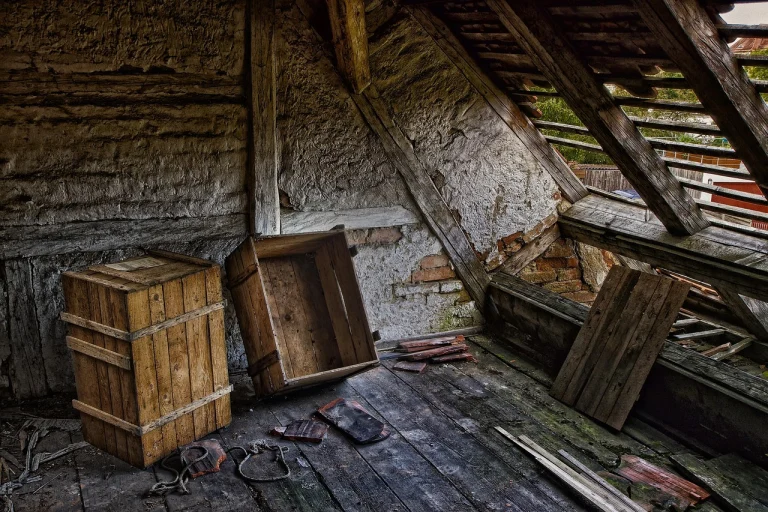 Old Insulation and SafetyVermiculite, asbestos, removing old insulation, knob-and-tube wiring and DIY foam…
Calculators
How we check.
ENERGY STAR's tables, the federal R-value rule, EPA and CPSC safety wording, the model codes by edition and each maker's own chart, read at the source and dated on every page. We sell nothing and refer no one.
Read our methodRecently published
More guides
- Asbestos Insulation: What It Looks Like and Why You Leave It AloneOld Insulation and Safety · Updated
- Vermiculite Insulation: What EPA Says to DoOld Insulation and Safety · Updated
- Air Sealing the Attic Before You InsulateAir Sealing and Audits · Updated
- Attic Insulation: What to Check, What to Add, and in What OrderAttic · Updated